







Prepare for Your Trip to the Amazon
Cuyabeno is an easy destination to pack for — once you know what to expect. This guide covers the climate, the health precautions, the clothing and what to bring to Cuyabeno, so you arrive ready for the flooded forest.
Climate
The climate is tropical and humid due to our location at the equator in the Amazon Lowland. The annual temperature averages 25°C (77°F) with a daily minimum temperature of 20°C (68°F) and a maximum temperature of 30°C (86°F). Night temperatures are pleasant and fresh at around 18°C (64.4°F). Humidity ranges from 80 to 100% with an average of 3000 mm of rainfall a year.
Health precautions
We recommend the basic vaccinations such as tetanus and hepatitis A. Cholera, typhoid and yellow fever are unknown in the region.
Malaria prevention is a matter of choice. In this specific area, there is a moderate incidence of malaria. While the more serious form of “malaria tropicana” is very uncommon, all other strains of malaria do exist and are treatable with chloroquine or equivalents.
Clothing
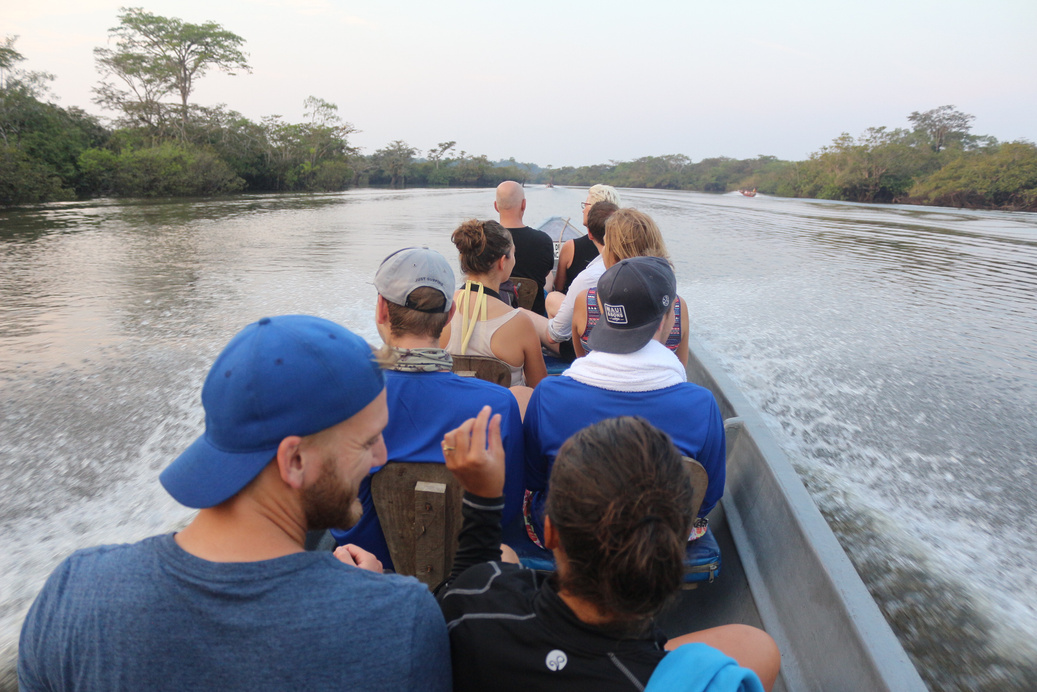
We suggest that you wear light cotton, linen or silk clothes. Normally, you just need shorts and a shirt during the day and long trousers and a long sleeved shirt (which also provide very good mosquito protection) for the late evenings. Nights can be cool, especially when it rains, so you should bring a warm sweater.
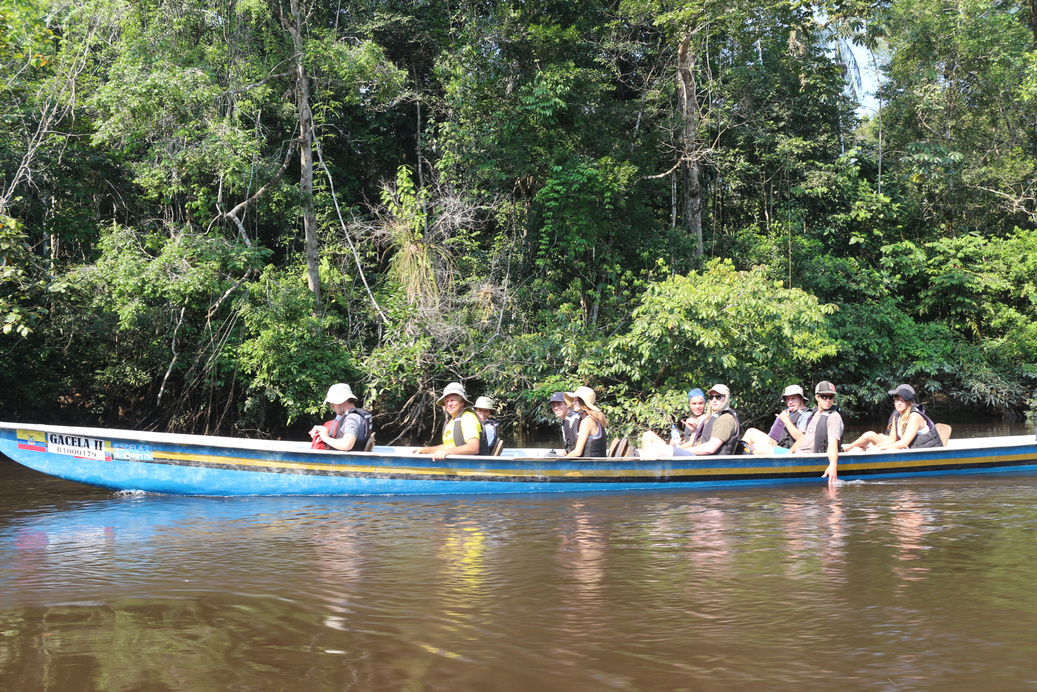
For sun protection, you will need a hat, sunglasses and a high protection sunscreen. Sandals for the canoe and tennis shoes are perfect for the lodge area and at night. You will not need trekking boots. Do not forget to bring your swimwear.
What to bring to Cuyabeno
Good to know: there is no mobile signal inside the reserve — a real chance to disconnect. If you need to stay online, ask us about our special Starlink internet plans for your stay.
Tourist or public transport?
Tourist transport — recommended
- More comfort and better coordination with the tour
- Pickup at fixed meeting points in Quito
- Organized specifically for Cuyabeno passengers
- Includes breakfast on the way there or lunch on the return
- Avoids connections in Lago Agrio
Public transport
- A cheaper alternative
- You buy tickets directly at the terminals
- Depending on the route, you may need a connection in Lago Agrio
- Schedules can be less convenient
- No meals included
Our recommendation: if you value comfort and want to avoid complications with connections, take the tourist transport. If saving is your priority and you do not mind public buses and connections, that option works too.
Ready to meet the pink dolphins?
Write to us and we will help you plan every step of your Amazon trip.
Ask on WhatsApp